




Digital Awareness for Youth
DAY
Our goal is to help you learn how to use technology safely and wisely
Contact
+92 318 55 19 151
About
Day (Digital Awareness for Youth) is a project by Howweb Digital Experts. We help young people learn and grow in the digital world. Our goal is to teach the skills needed for today’s online opportunities and challenges.
How to Handle Online Scams and Phishing Attacks
Fatima’s Story: How to Spot and Avoid Online Scams
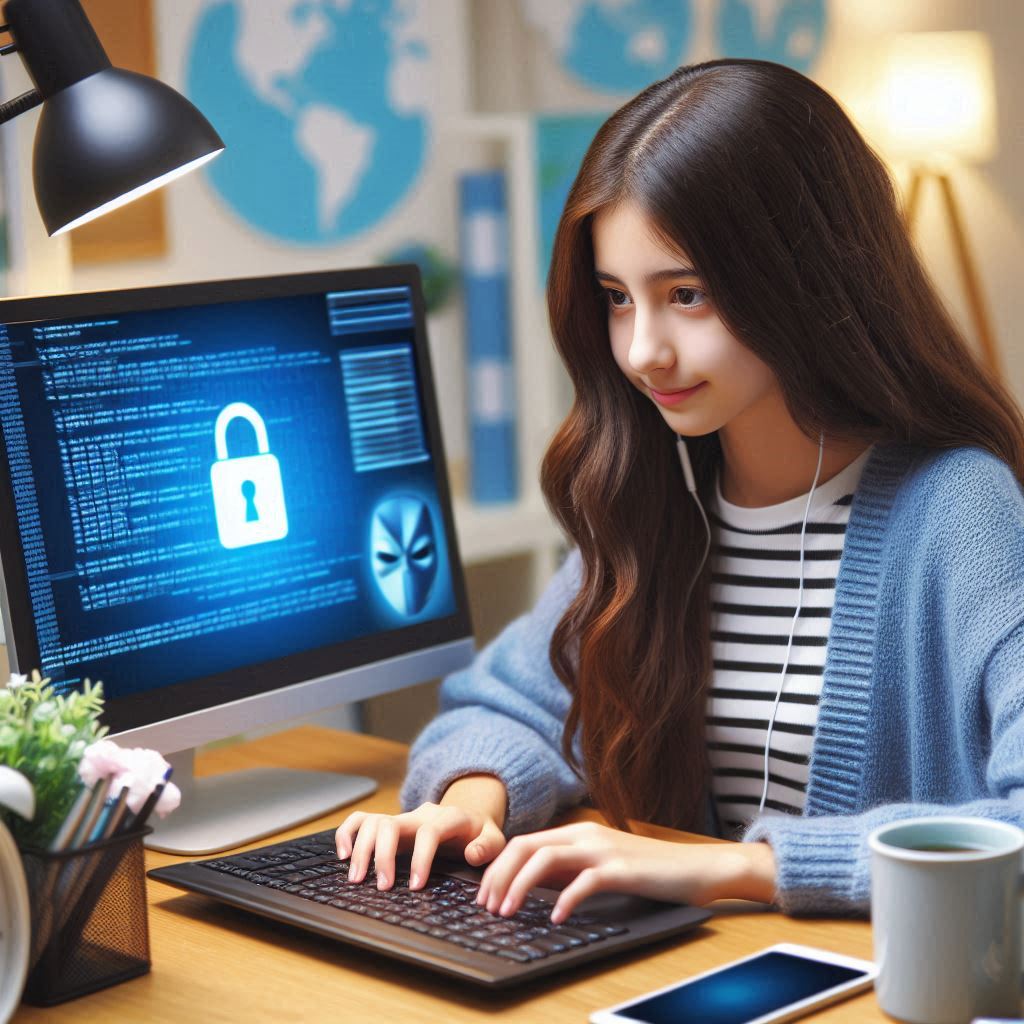
Fatima was a smart student who liked using the internet. She enjoyed social media, online shopping, and checking her email. One day, Fatima learned an important lesson about staying safe online.
The Suspicious Email
One day, Fatima got an email that looked very official. It said it was from her bank and claimed there was a problem with her account. The email asked her to click on a link and provide her personal details to fix the issue. It even had the bank’s logo and seemed real.
Fatima felt worried and almost clicked the link. But she remembered a tip she learned about being careful with emails that ask for personal information.
Checking It Out
Instead of clicking the link, Fatima decided to check if the email was real. She called her bank using the phone number she knew was correct, not the number in the email. The bank told her they hadn’t sent the email and it was a scam.
Fatima learned that the email was a phishing attempt. Phishing is when someone tries to trick you into giving them your personal information by pretending to be someone you trust.
How to Stay Safe
From this experience, Fatima learned some important ways to handle online scams and phishing attacks:
- Don’t Click on Strange Links
If you get an email or message asking for personal details or sending you to a website, don’t click on any links. It’s safer to go directly to the official website yourself.
- Verify the Source
If you get a message asking for sensitive information, contact the company directly using their official contact information. Don’t use the contact info from the suspicious message.
- Look for Warning Signs
Be careful with emails or messages that have spelling mistakes, strange grammar, or urgent requests for personal info. These can be signs of a scam
- Use Strong Passwords
Make sure your online accounts have strong, unique passwords. Don’t use the same password for different sites, and think about using a password manager.
- Turn on Two-Factor Authentication
When possible, enable two-factor authentication on your accounts. This adds extra security by requiring a second form of verification
- Keep Software Updated
Regularly update your computer, phone, and apps to get the latest security fixes.
Sharing What She Learned
Fatima wanted to help her friends and family stay safe too. She told them about her experience and explained how to recognize and avoid phishing scams. Fatima and her friends even held a workshop at school to teach others about online safety.
Conclusion
Fatima’s story shows us that online scams and phishing attacks can be tricky, but we can protect ourselves. By being careful with emails and messages, checking information, and using good security practices, we can avoid falling for scams.
Remember, it’s important to stay alert and double-check before sharing any personal information. Just like Fatima, we can all learn to spot and handle online scams to keep ourselves and our information safe.
Share Your Youth Issues and Insights
Contribute Your Voice: Address Youth Issues and Solutions